




This flexibility test is performed in the prone position. Players lie on their stomachs with their toes pointed and feet firmly planted on the floor. The arms are positioned at shoulder height in a W shape, with the elbows pointing out to the sides. From this starting position, the arms are first lifted slightly off the floor. Next, the upper body is lifted off the floor in a controlled manner without losing core tension. The final position is held briefly before the movement is slowly and controlled lowered back down.
The exercise combines mobilization, stabilization, and active body control. The combination of thoracic spine mobility, shoulder control, and core stability creates a clear transfer logic to tennis-specific movement patterns.
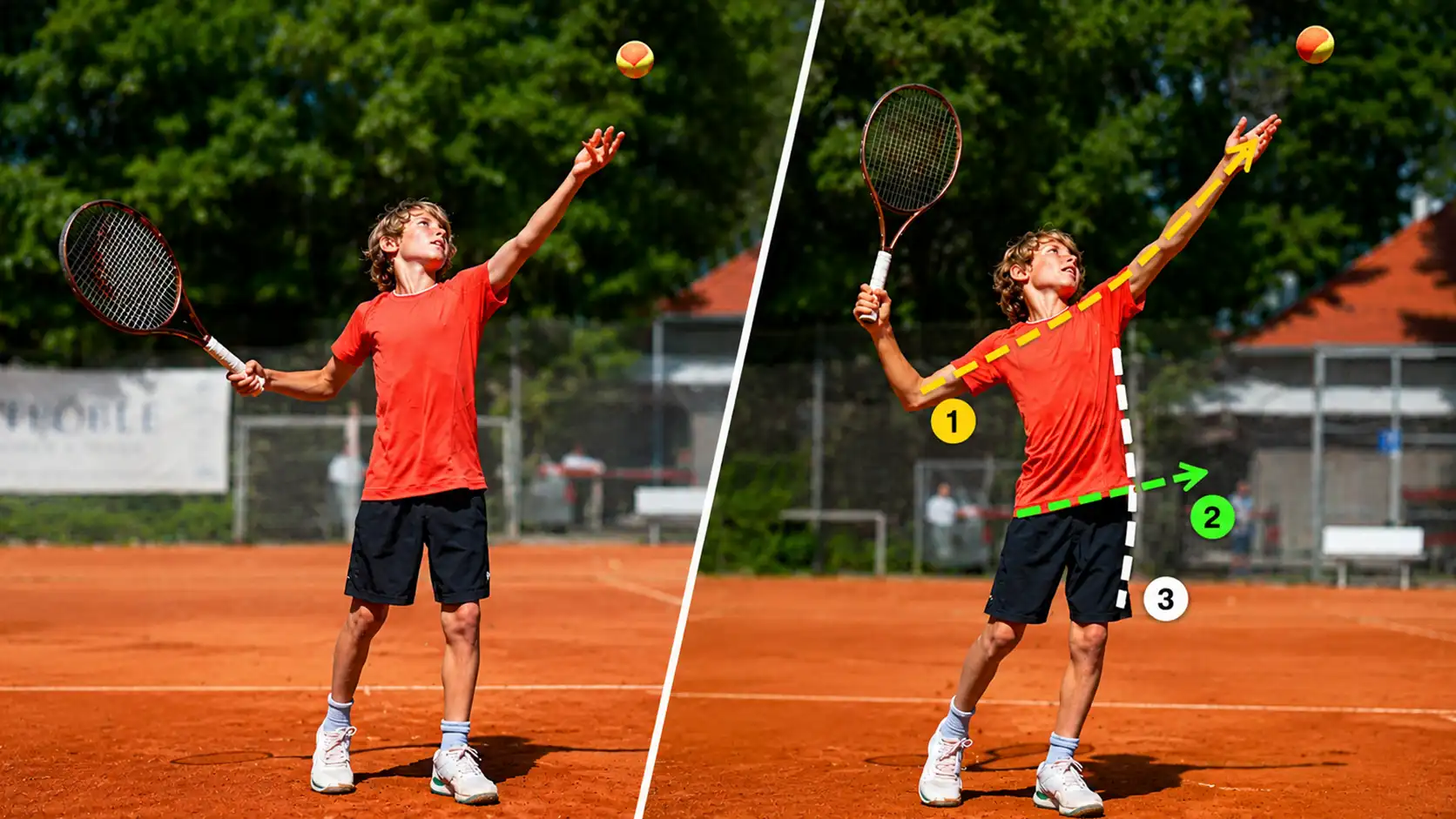
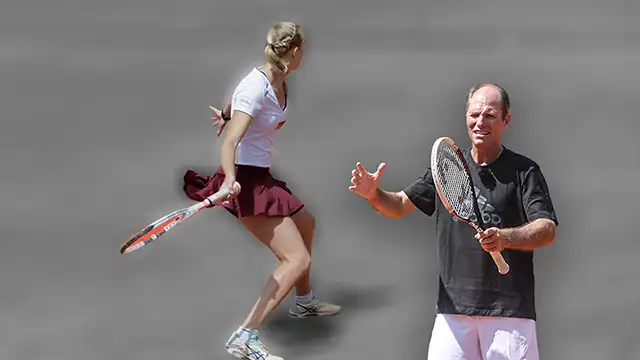
Players require good mobility in the shoulder and thoracic spine regions, particularly during the serve as well as overhead and backhand strokes. At the same time, stable core control is crucial for efficiently stabilizing movements and absorbing stress cleanly. The exercise therefore not only supports the quality of movement during overhead actions but also contributes to the stability of the posterior muscle chain and the back’s overall ability to handle stress.
Training Goals
- Improving mobility of the thoracic spine
- Developing shoulder and core stability
- Promoting active overhead control
- Improving body awareness and postural control
- Preparing for serve and overhead movements
- Strengthening the posterior muscle chains
Load
- 2–3 sets
- 4–6 controlled repetitions
- Hold the end position for 2–4 seconds each time
- Slow and controlled movement execution
- Focus on stability and movement quality
- Well-suited as part of a tennis-specific warm-up or mobility block
Coaching Keys
- Actively plant the tips of your feet on the floor
- Keep arms stable in the W position
- Stabilize shoulder blades in a controlled manner by pulling them back and down
- Lift upper body in a controlled manner without swinging
- Keep gaze neutral toward the floor
- Maintain core tension throughout the entire movement
- Do not allow the lower back to arch
- Consciously hold the end position
- Slow and controlled return to the starting position
- Prioritize movement quality over range of motion