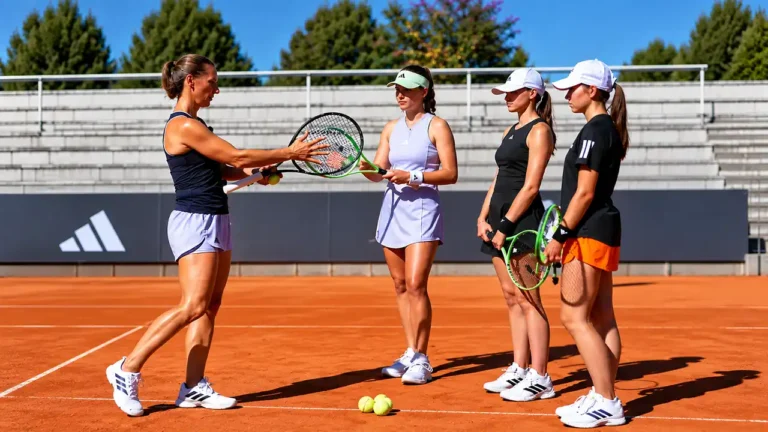
Technical Tips
Learn grip holding easily: Forehand and two-handed backhand
Simple memory aids for forehand and backhand: learn two grip variations and discover the benefits of the "second grip".

Simple memory aids for forehand and backhand: learn two grip variations and discover the benefits of the "second grip".
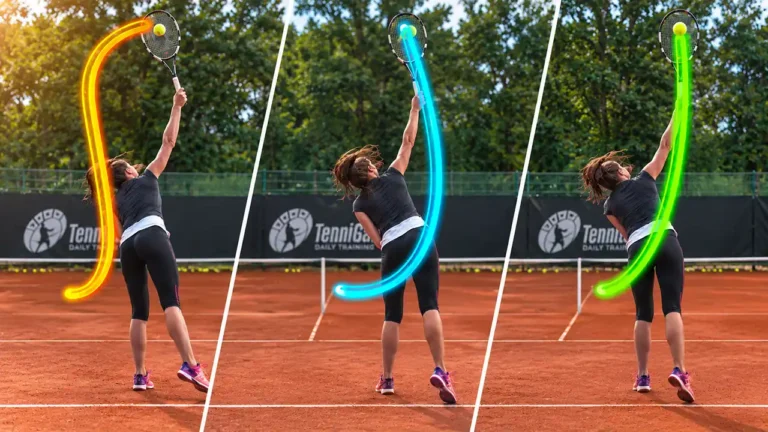
Flat Serve, Slice or Kick: The key factor is above all how the racket swings toward the ball. The analysis shows how…
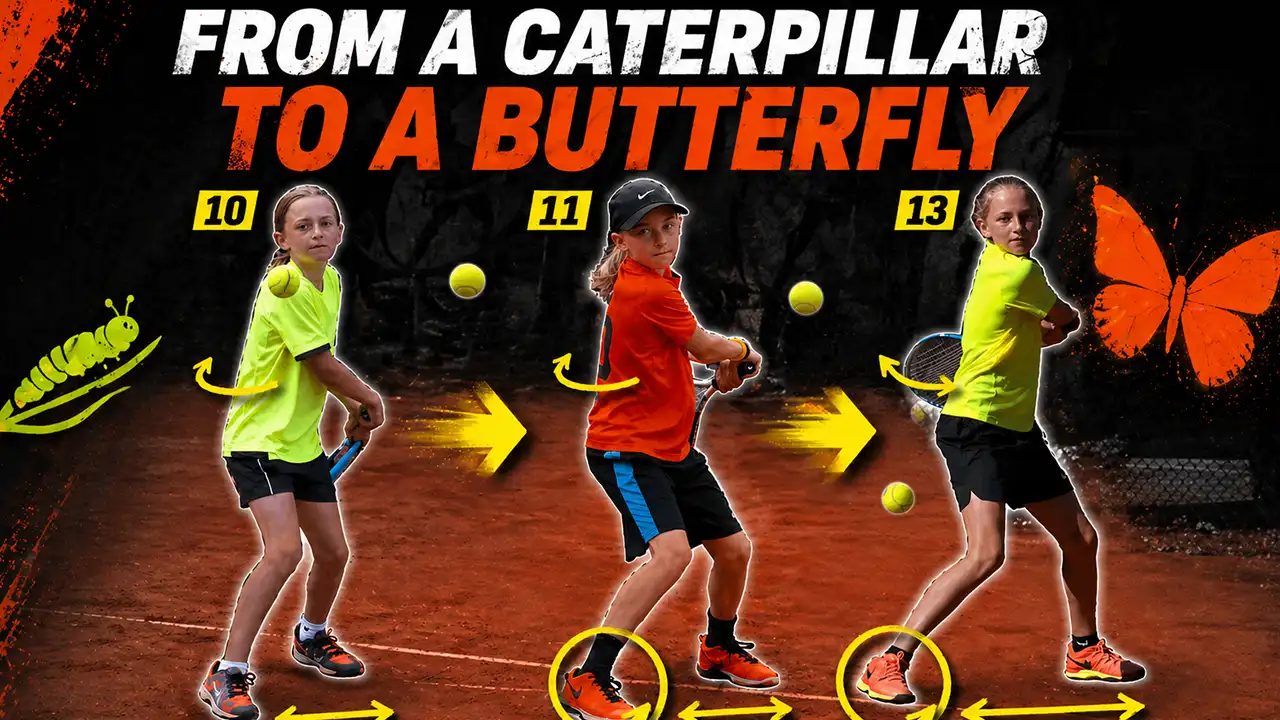
In this analysis, we superimposed the same player on a two-handed backhand in three age groups - 10, 11 and 13.
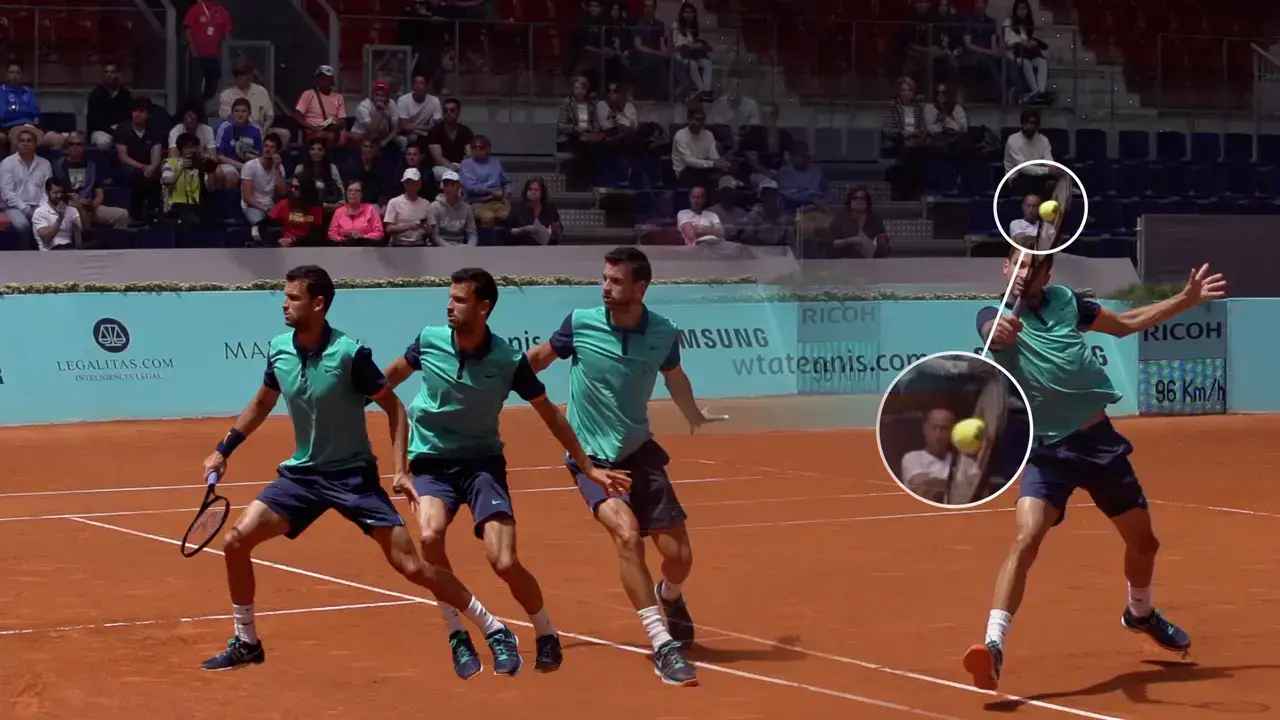
It's all about rhythm! Three adjustment steps, perfect high contact point, and a forward motion flow. Grigor Dimitrov shows us his high…
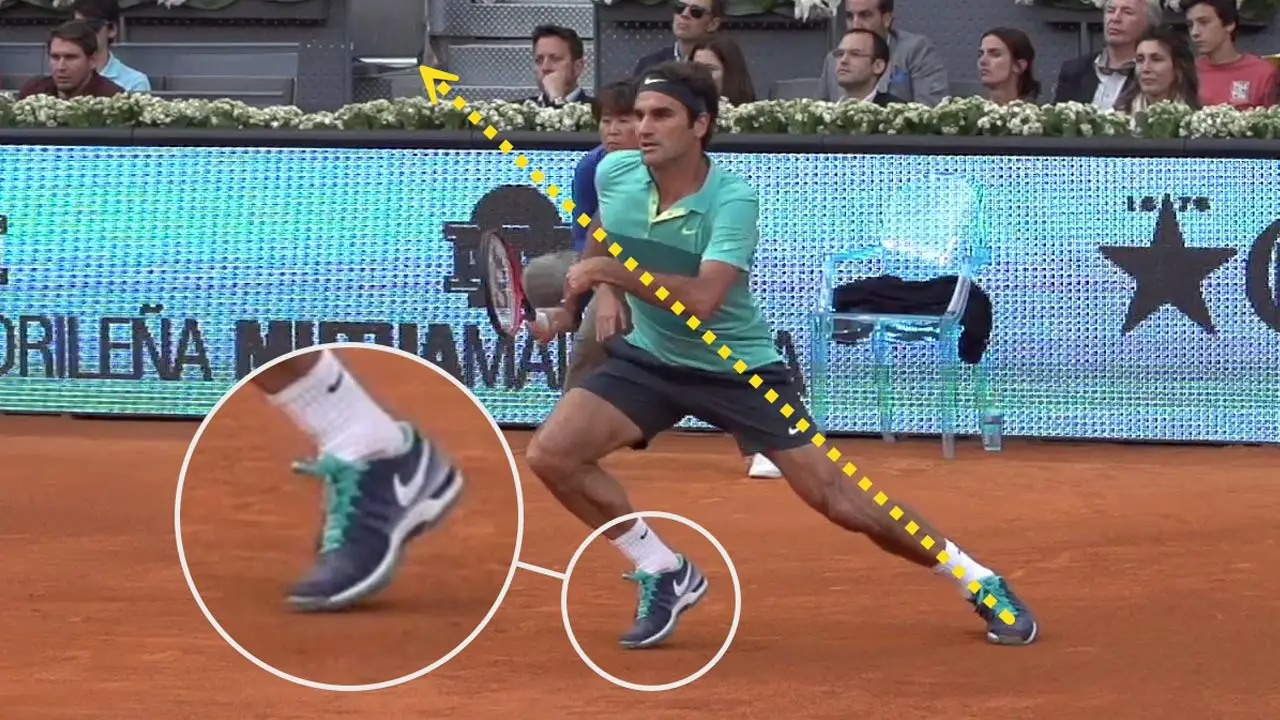
Effective footwork: Fast, stable, precise – how Federer masters the backhand with balance and minimal steps.

After a FH down-the-line shot, the player expects the opponent's response to land approximately 0.5 to 1 meter to the left of…
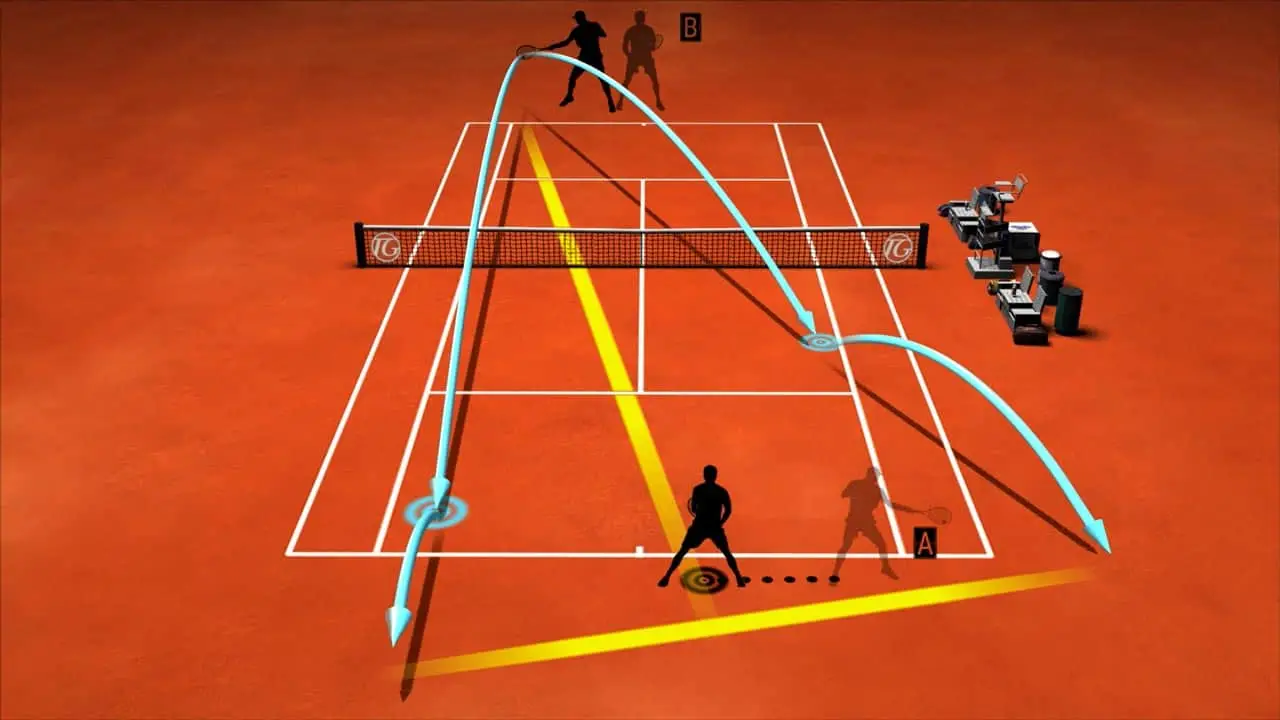
After a cross shot, the player expects the opponent's response to land approximately 0.5 to 1 meter to the right of the…
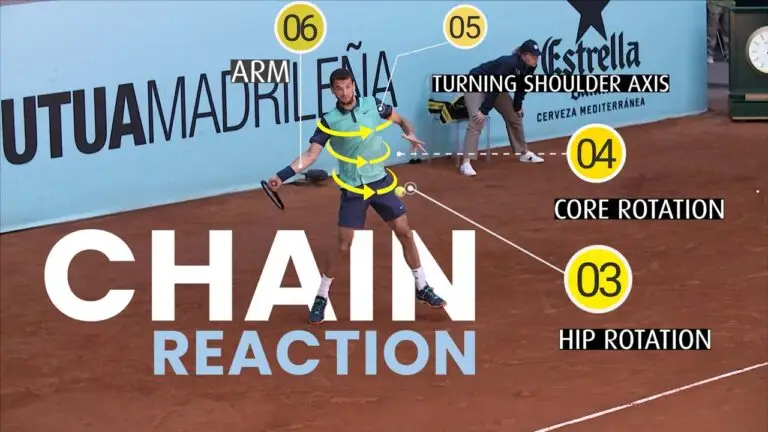
The deceleration of the previous body part increases the speed of the next - until your racket, as the last link in…
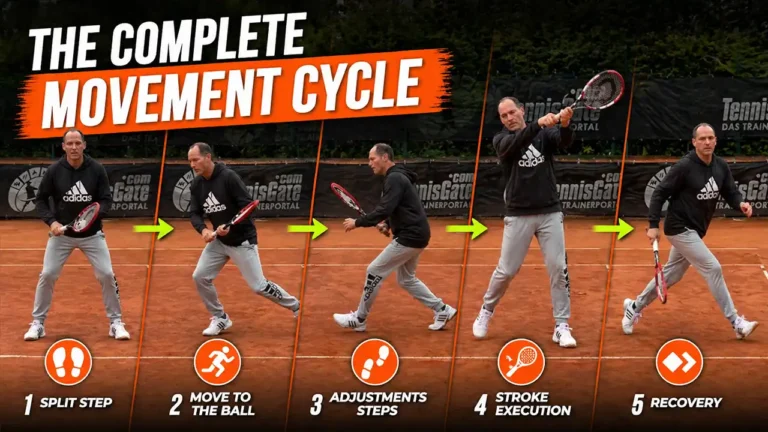
The best way to get the feel for the movement cycle is to shadow moving in different directions. Here is an example…
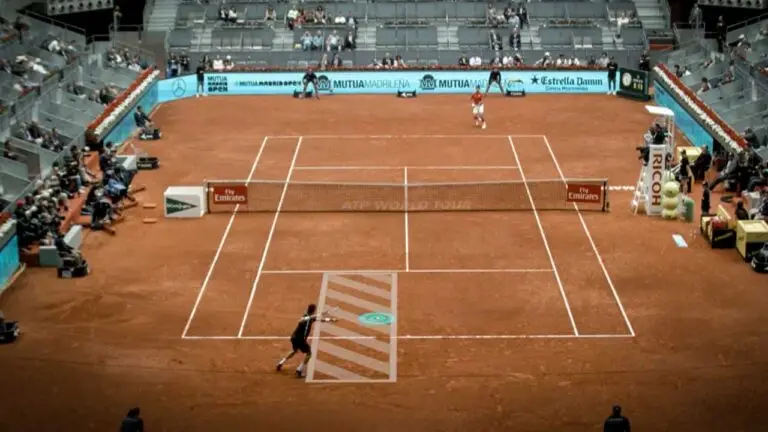
"Beat the bounce" is a term used in top international tennis. If you strive to achieve this, you will consistently be quicker…
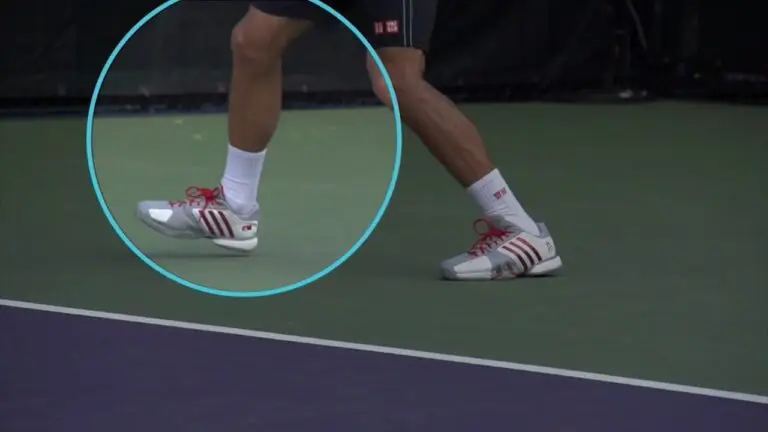
In these observations, we see that the top players open their hips early - and before the foot touches down. This allows…
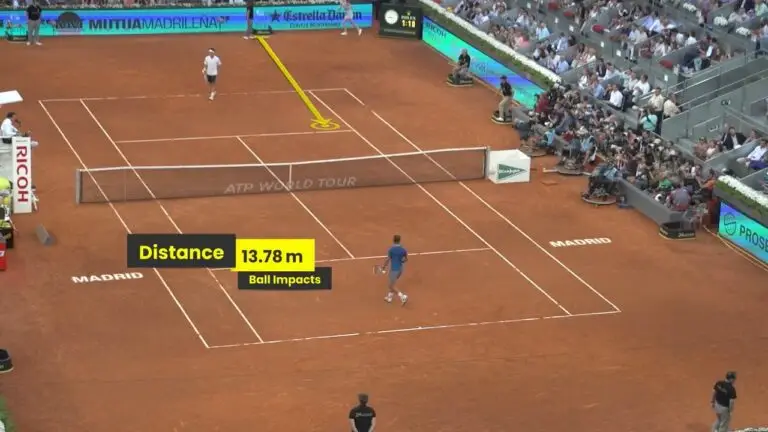
In this situation, we observe how Nadal masterfully maneuvers around Nishikori's backhand slice return, delivering a powerful 'inside-in' forehand with his signature…